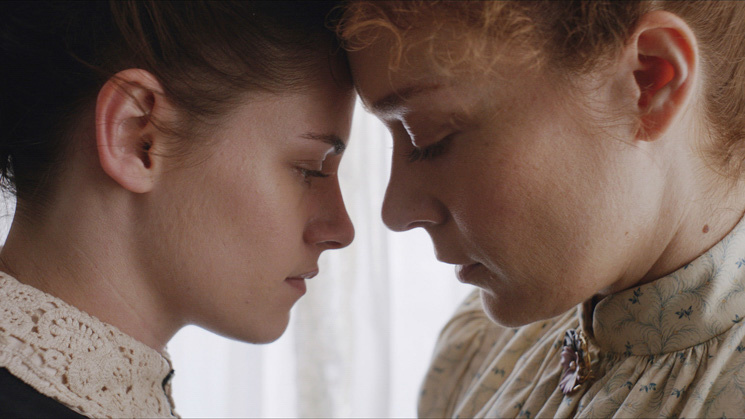
Hands up, did you think Lizzie Borden was a known murderer and guilty of killing her mother and father? I thought so too. It seems I have been a tad ignorant and bewitched by that childhood rhyme. Therefore, Craig William Macneill’s Lizzie was a bit of an educational eye-opener for this horror nerd. One of the best things the filmmaker said was “Can you be born evil?” – which was in reference to his own fascination with the macabre. But I think this question is perfect for understanding Lizzie Borden.
Lizzie was introduced as an alternative horror film at the BFI London Film Festival – one with a unique display of empathy for its protagonists. While the horror element was not on the same scale as, let’s say, a Dario Argento film (well, the murder flashbacks were quite graphic), I appreciate how the genre is regarded more like a hybrid, rather than a rigid stereotype. And Lizzie had the tense foreboding and subject matter of a horror film, blended with a family drama and a spot of doomed romance.
Lizzie stars Chloë Sevigny, Kristen Stewart, Fiona Shaw, Jamey Sheridan, Kim Dickens, and Denis O’Hare.
Bit of a Borden Background
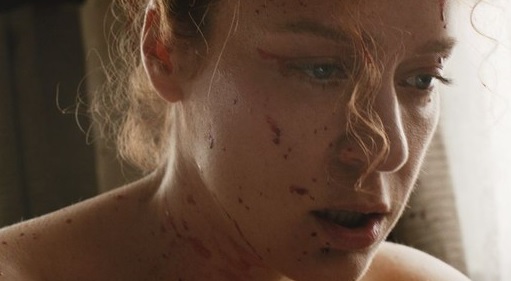
In 1892 on 4th August, Andrew (Sheridan) and Abby Borden (Shaw) were axed off this Earth. That’s Lizzie’s father and stepmother. Not her biological mother as the rhyme implies. However, we practically see/hear all 81 whacks, so… maybe it wasn’t just humorous hyperbole after all.
The film begins by showing us the moments leading up to the “discovery” of the bodies – Lizzie (Sevigny) is wandering in the garden munching on a pear, while Bridget (Stewart) anxiously washes windows. There’s a theatrical scream, a half-hearted “Call the police!”, and then we see Lizzie being questioned with a far from despondent look on her face. In reality, Lizzie and Bridget were the only ones in the house during the time the murders took place – but they claimed not to have heard a thing. Craig William Macneill called bullshit on that by stating that when he visited the Borden house, you could hear a cup fall from the top of the stairs from any room in the house. Screams and body chopping are louder than that, right?
To put the narrative into perspective, we are transported back 6-months earlier to when Bridget started her servant post at the Borden house. As someone who is fascinated with lesbian culture in the media (not in a creepy way), I loved how tenderly the romance sparked between Lizzie and Bridget. Their friendship is established with the rebellious and inquisitive Lizzie, who has a few fits and helps Bridget to read. This eventually leads the out-of-caste relationship to her father’s admonishment, as he has been visiting Bridget at night against her will. As Lizzie and her father continue to clash, his plans to send her and her sister Emma (Dickens) away tips the normal-homicidal scales.
Style and Substance
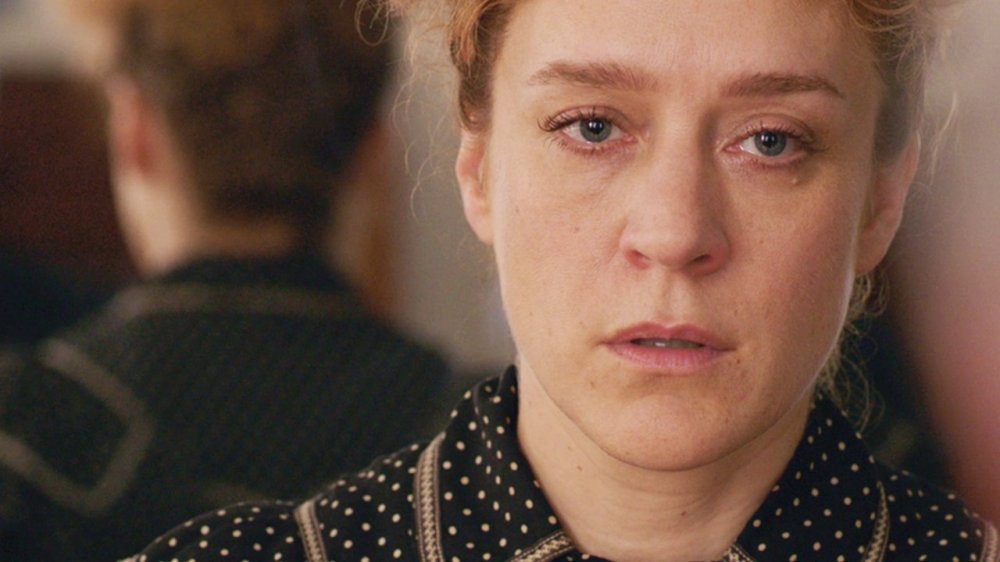
Maybe it’s because I was sat in the front row, I don’t know, but I noticed there were a lot of close-ups and lingering shots, which made me feel ambivalent about Lizzie. I loved this, as the film paints her as guilty, but fleshes out her character to the extent that she is someone to understand, sympathise, and laugh along with in a humane way. With this in mind, Andrew is being tormented with threatening notes and midnight knocking by an unknown perpetrator. Lizzie quickly discovers that the handwriting matches that of her uncle and so, there is another plausible motive if you believe Lizzie is innocent, or that she wasn’t in cahoots with the maid.
The director also commented on the use of negative space, which was intended to enhance that foreboding feeling, heightening the audience’s awareness of the world that exists beyond the frame. Plus, it reflected how vulnerable these women were. Despite Lizzie challenging the patriarchy, delivering cutting retorts to her father and sleazy uncle, and ultimately wielding an axe – the film foregrounded the inescapable misogyny and inequality of that period.
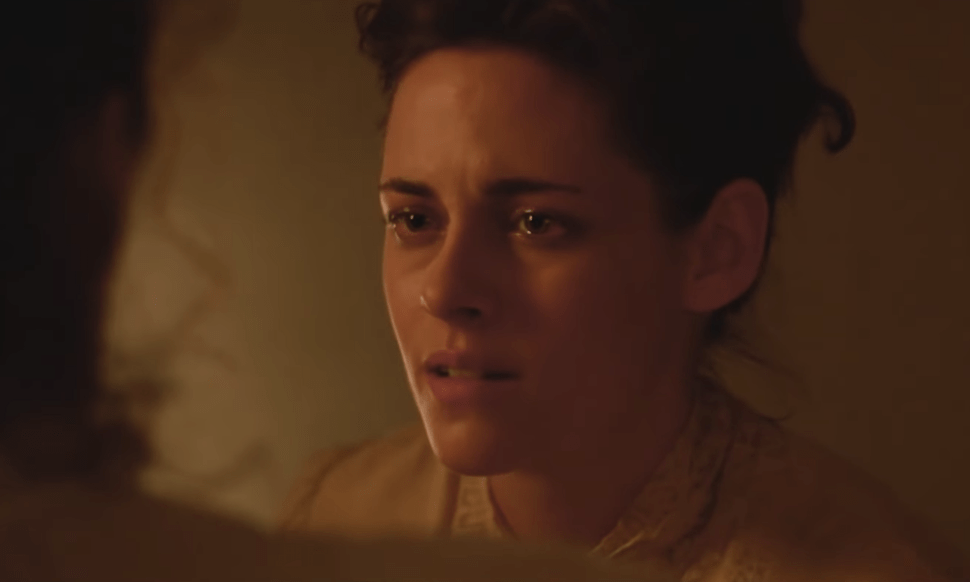
A perfect example of this highlighted in one of the earlier conversations between Lizzie and Bridget in the barn. When Lizzie learns that Bridget isn’t well educated, she asks:
“Are you afraid?”
“Afraid of what?”
“Men don’t need to know things. Women do.”
There’s also the lecherous uncle and rapey father which is more explicit, further emphasising how both Lizzie and Bridget are inhibited by their stations and undermined by their gender. We can’t overlook Abby, is forced to accept societal norms of a “lady” and living with a despicable husband.
Another revelation was revealed to us by the director during the post-screening Q&A. Lizzie is Chloë Sevigny’s first leading role. Ever. Perhaps the most shocking piece of trivia he could have shared with us. (Although, the night the crew spent at the real-life Borden murder house was a funny anecdote. I liked that a lot, Craig. You sound like a very cool dude.)
Watch my amateur video clip from the Q&A here:
At the BFI LFF
I love the PictureHouse Central as a venue. Or so I think I do – until I take my seat. Then I remember the jolting and jerking motions of the reclining chairs. Then I’m angry.
Wwwwwwhy, PHC, wwwwwwhhhhhhyyyyyyyyyy?
Not everyone is an autistic cinema-goer like me. That’s fine, I get that. But because most of us fidget (so do I, I’m not perfect) and you’re sat in a row of at least 15 people who fidget at different, multiple times throughout the average 95-minute running time – you’re going to be disturbed. Didn’t anyone test out the seats? Otherwise – big fan 🙂
Add to this, I had one lady gorging on popcorn for half of the film, followed by a rhythmic lip-smacking (just to be extra annoying) and a man who gasped at unexpected moments, like when Lizzie shatters a mirror to get back at her dad. He could be aggressively superstitious.
Rant over.
With these peripheral distractions aside, I enjoyed this version of the Lizzie Borden American horror story – sadly, Sevigny and Stewart didn’t make an appearance, but Craig was a corker.
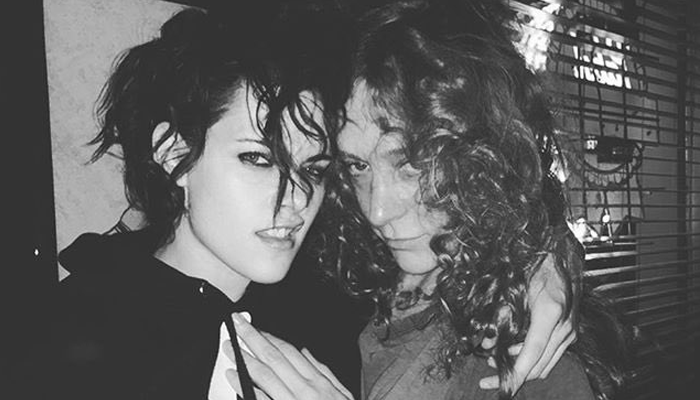
Look at these two. They’re the best. I want to go to that bar.
Lizzie is out on general UK release from 14th December
 Fourth Wall Breach